
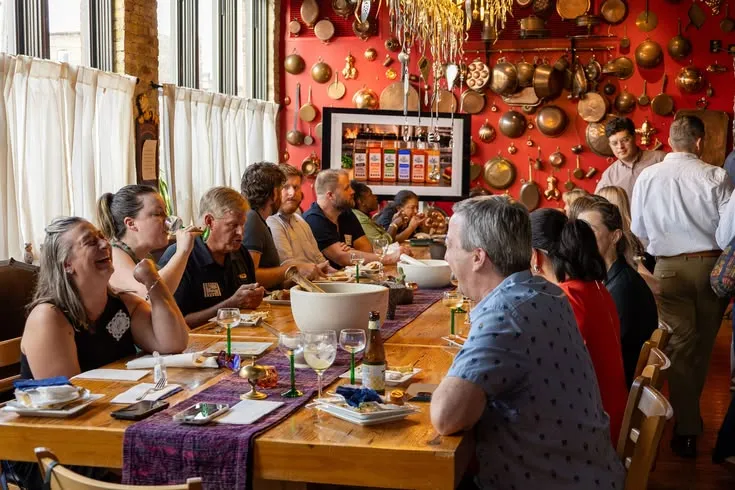
Opening a traditional restaurant requires substantial investment, making it difficult for talented chefs to introduce new concepts without financial risk. Across Chicago, temporary dining events, shared kitchens, and experimental menus offer alternative paths into the hospitality industry. People exploring the coolest restaurants in chicago may discover that some exciting culinary ideas begin outside conventional restaurant spaces. These smaller ventures allow entrepreneurs to introduce unfamiliar flavors, understand customer preferences, and build recognition before committing to permanent locations.
For aspiring restaurant owners, the opportunity to test ideas gradually can transform a creative passion into a more realistic business venture.
Why Traditional Restaurant Openings Are Challenging
Starting a restaurant involves expenses that extend well beyond ingredients and cooking equipment. Commercial leases, permits, renovations, insurance, and employee wages can create significant financial pressure before the first customer arrives. New entrepreneurs must also predict demand without knowing exactly how diners will respond to their concepts. An expensive location cannot guarantee consistent reservations or profitable operations.
Temporary food businesses provide an alternative starting point. By operating on a smaller scale, chefs can evaluate their menus and customer interest without immediately accepting every responsibility associated with restaurant ownership.
Pop-Up Dining Encourages Experimentation
Pop-up restaurants operate temporarily within rented spaces, existing establishments, or organized culinary events. Their limited schedules allow chefs to develop focused menus and test creative ideas. A chef might organize a weekend dinner featuring regional comfort food or introduce a seasonal menu built around unfamiliar ingredients. Customer reactions can reveal which dishes deserve further development.
Limited events also create opportunities for personal interaction. Diners can speak directly with chefs, ask about preparation methods, and provide feedback that influences future offerings.
Catering Can Become a Business Foundation
For some entrepreneurs, event catering offers a practical opportunity to develop professional experience before opening a dining location. Demand for black owned catering chicago services may introduce customers to independent chefs preparing meals for weddings, professional gatherings, and private celebrations.
Catering operations require careful coordination, particularly when managing guest numbers, transportation, food safety, and serving schedules. However, successful events can also generate recommendations and repeat customers.
These relationships may eventually support expansion into additional services or a permanent restaurant concept.
Shared Kitchens Reduce Initial Expenses
Commercial kitchen rentals provide access to professional cooking facilities without requiring entrepreneurs to establish an entire restaurant. Depending on the facility, these spaces may include preparation equipment, refrigeration, storage, and areas designed for food production. Rental arrangements vary, so operators must evaluate costs and availability carefully.
Shared kitchens can be particularly useful for businesses specializing in meal preparation, baked goods, or delivery services.
Entrepreneurs must still satisfy applicable licensing and food safety requirements. Renting kitchen space does not eliminate the responsibility to operate legally and maintain appropriate standards.
Customer Feedback Shapes Better Menus
Early customer feedback provides information that business owners cannot obtain through personal assumptions alone. Chefs may discover that particular dishes attract consistent interest while others require changes to flavor, portion size, or pricing. Tracking these patterns supports more informed menu decisions.
Feedback also helps entrepreneurs recognize operational problems. Long preparation times, unclear ordering procedures, or packaging difficulties may affect customer satisfaction even when food quality remains strong.
Responding thoughtfully allows businesses to improve before investing in larger operations.
Social Media Helps Test Market Interest
Digital platforms allow emerging chefs to introduce their food concepts without expensive advertising campaigns. Photographs, preparation videos, and event announcements can generate interest among nearby customers. However, attractive images do not automatically translate into profitable sales. Businesses need to evaluate actual orders, repeat purchases, and customer inquiries rather than relying exclusively on online reactions.
Maintaining accurate event details and responding to questions also matters. Reliable communication helps customers understand availability, pricing, and ordering arrangements.
Knowing When Expansion Makes Sense
Moving from temporary operations into a permanent restaurant should involve careful financial evaluation. Entrepreneurs need to consider whether existing demand can support rent, staffing, utilities, and everyday operating expenses. Consistent sales across several events provide more useful evidence than one exceptionally successful evening.
Some chefs may discover that remaining focused on catering or pop-up experiences better suits their goals. Growth does not always require opening a traditional restaurant. A sustainable business model should reflect customer demand, available resources, and the owner’s long-term priorities.
Conclusion
Chicago’s evolving culinary industry offers opportunities for entrepreneurs willing to experiment with different business models. Temporary dining concepts, catering services, and shared kitchens can provide valuable experience while reducing some initial financial risks. Rather than measuring success only through permanent restaurant openings, aspiring chefs can focus on sustainable operations and satisfied customers. The independent dining culture highlighted by bfacollective.com offers a useful perspective on the creativity behind Chicago’s food businesses. Ultimately, thoughtful planning can help promising culinary ideas develop into lasting opportunities.